

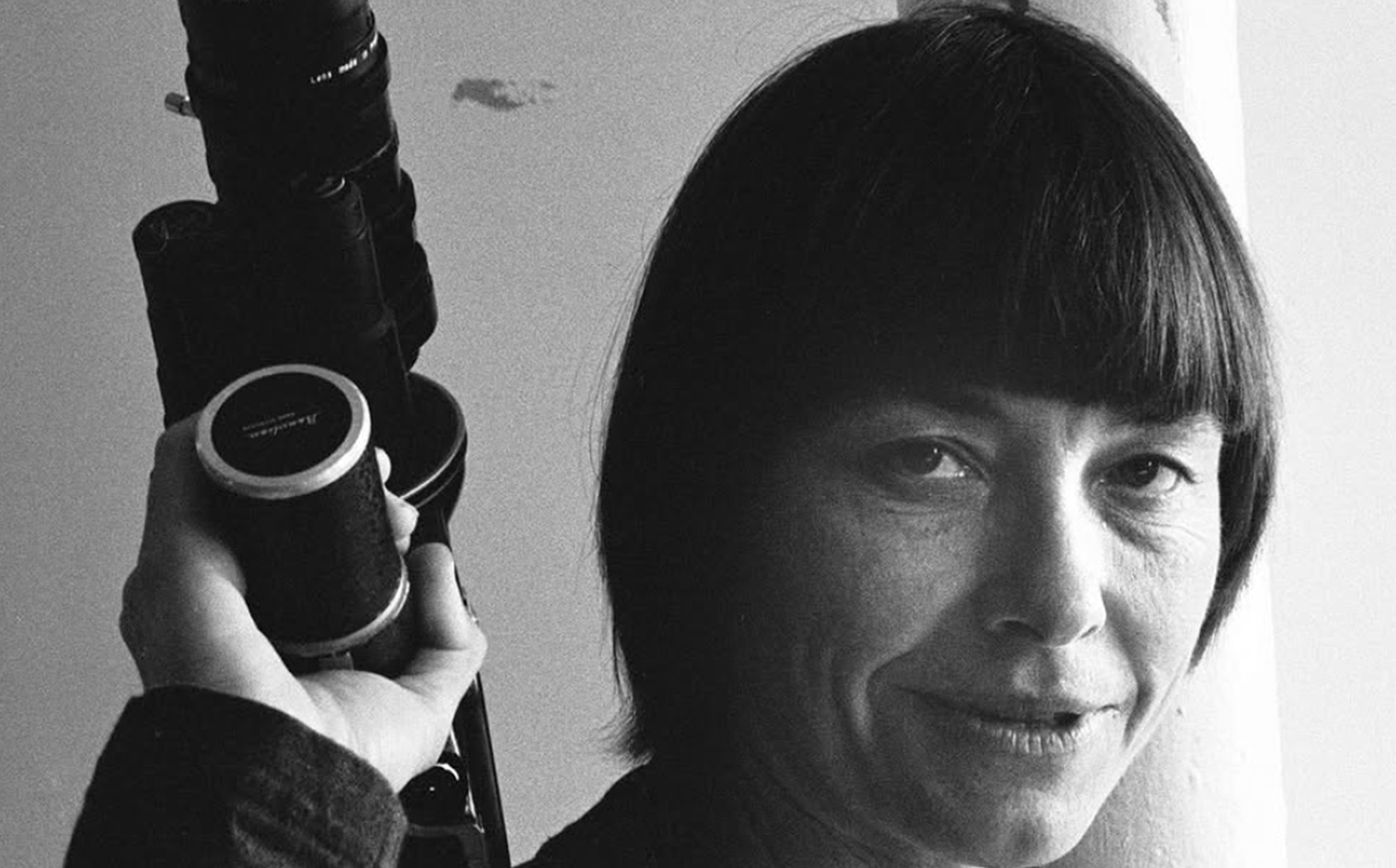
After listening to a critique of the Miss America pageant on a public radio station, Barbara Hammer declared herself a feminist. Then she left her husband. Then she grew to become a lesbian. This was the early Nineteen Seventies, and it wasn’t lengthy earlier than somebody gifted child homosexual Hammer a Tremendous-8 and she or he commenced pointing it—lovingly, relentlessly—at each human crease and crevice in her life. Round this time, Hammer began writing down her title and deal with and putting them in balloons for others to search out. “In any other case I’d be misplaced on the planet,” she mentioned of the follow in an “exit interview,” given simply earlier than she died in 2019.
Brydie O’Connor’s Barbara Without end is one in all these balloons; a documentary worthy of its iconic topic, that captures and arranges fragments of Barbara for us to show over in our palms. It’s a loyal, honest ode to the avant-garde artist, who, as she put it, made films out of intercourse and life. Greater than 80 of them, to be a bit extra exact, over the course of half a century. Hammer filmed herself and her private relationships obsessively, creating the huge archive that serves as the idea of Barbara Without end. At first of the movie, there’s a collection of photographs of Hammer pointing a digicam right into a passing window, or the rearview mirror of a automotive or motorbike, her left eye squinting, her proper trying right into a viewfinder. We frequently see Barbara holding and talking on to the digicam within the documentary, creating the uncanny sense that she made it herself, from past the grave.
Although Hammer narrates the complete documentary, the narrative is pieced collectively from varied sources. Babara’s voice will sound effortful and aged at one second, then youthful and mischievous within the subsequent. O’Connor additionally replicates her topic’s love of a match-cut, folding collectively photographs from all through Hammer’s profession. The consequence just isn’t the chronology of a life, however the story of a filmmaker—beginning when Barbara first picked up a digicam, and ending with who she grew to become to others. It’s a narrative of self-creation and self-plunder, of Barbara inventing herself and utilizing her life because the uncooked materials of her artistry.
